Full arch dental implant treatment is highly predictable when planned and executed correctly.
However, not all patients present with the same anatomical, biological, or medical conditions.
A complex full mouth implant case is one where standard implant protocols may not be sufficient to deliver safe, stable, and predictable long-term outcomes without advanced diagnostics, planning, and surgical execution.
This page explains what makes a case complex, the specific factors involved, and why complexity does not automatically mean treatment is not possible.
What Is a Complex Full Arch Implant Case?
Clinically, complexity refers to the presence of risk factors that increase the likelihood of complications if treatment is not specifically adapted to the individual patient.
These risk factors may relate to:
Bone quantity or bone quality
Gum and soft tissue health
Jaw anatomy and bite forces
Previous dental or surgical history
Medical conditions that affect healing or bone metabolism
Complexity is not a diagnosis and does not mean poor outcomes are expected.
It is a classification used to guide how treatment must be planned and delivered.
Anatomical & Dental Factors That Commonly Create Complexity
Advanced Bone Loss
One of the most common contributors to complexity.
Bone loss may affect:
Bone height
Bone width
Or both
This can result from long-term tooth loss, advanced gum disease, denture wear, or previous extractions.
Clinical considerations
Reduced implant stability if placed without modification
Greater reliance on precise positioning and load control
Increased importance of advanced planning
Poor Bone Quality
Bone density can be compromised even when bone volume appears adequate.
Common in:
Older patients
Long-term denture wearers
Patients with metabolic bone changes
Clinical considerations
Slower or more sensitive implant integration
Greater importance of implant positioning and bite design
Higher risk if treated using standard protocols
Advanced or Historical Gum Disease
Periodontal disease affects both bone and soft tissue stability.
Clinical considerations
Irregular bone patterns
Higher bacterial risk if disease is not stabilised
Increased importance of soft tissue management
Gum disease does not automatically exclude implant treatment, but it must be controlled and factored into planning.
Long-Term Denture Use
Extended denture wear often leads to:
Progressive bone resorption
Changes in jaw shape
Altered bite relationships
Clinical considerations
Implant positioning must be prosthetically led
Facial support and bite must be carefully restored
Higher risk if treatment is not planned as a full arch system
Previous Implant Failure
A history of implant failure increases complexity due to:
Scar tissue
Altered bone anatomy
Possible infection history
Clinical considerations
Identifying the cause of previous failure
Avoiding repetition of biomechanical errors
Careful load distribution in the final restoration
Medical Factors That Can Influence Complexity
Certain medical conditions influence healing, bone metabolism, or infection risk.
These do not automatically prevent treatment but must be carefully assessed.
Common examples include:
Diabetes (particularly if poorly controlled)
Osteoporosis or osteopenia
Autoimmune conditions
Penicillin Allergies
History of radiotherapy to the head or neck
Medications affecting bone turnover
Smoking history
Immune suppression
Clinical implication:
These factors influence planning, timing, and technique, not suitability alone.
What Does “Complex” Mean in Practical Terms?
A complex case may require:
Advanced diagnostics such as CBCT and bite analysis
Prosthetic-led planning (teeth planned before implants)
Different implant options (Zygomatic or Pterygoid)
Modified loading protocols
Closer long-term monitoring
It does not automatically mean:
Lower success rates
Poor aesthetics
Excessive discomfort
When managed correctly, complex cases can achieve excellent functional and aesthetic outcomes.
Why Some Clinics Are Unable to Treat Complex Cases
Many clinics are designed around standard implant protocols and lower-risk anatomy.
This is appropriate for straightforward cases.
Complex cases require:
Advanced diagnostic workflows
Surgical experience with compromised anatomy
Systems designed to reduce risk rather than rely on averages
Being told a case is “too complex” often reflects the limitations of the clinic, not the patient.
Should You Be Concerned If You’ve Been Told You’re a Complex Case?
Concern is understandable, but assumptions are unhelpful.
What matters is:
Accurate diagnosis
A thorough risk assessment
A treatment plan tailored to your anatomy and medical history
Many patients previously told they are unsuitable are successfully treated when complexity is properly managed.
The Only Way to Know: Comprehensive Clinical Assessment
Suitability for full arch implants, particularly in complex cases, cannot be determined without a full clinical assessment.
This includes:
Medical and dental history review
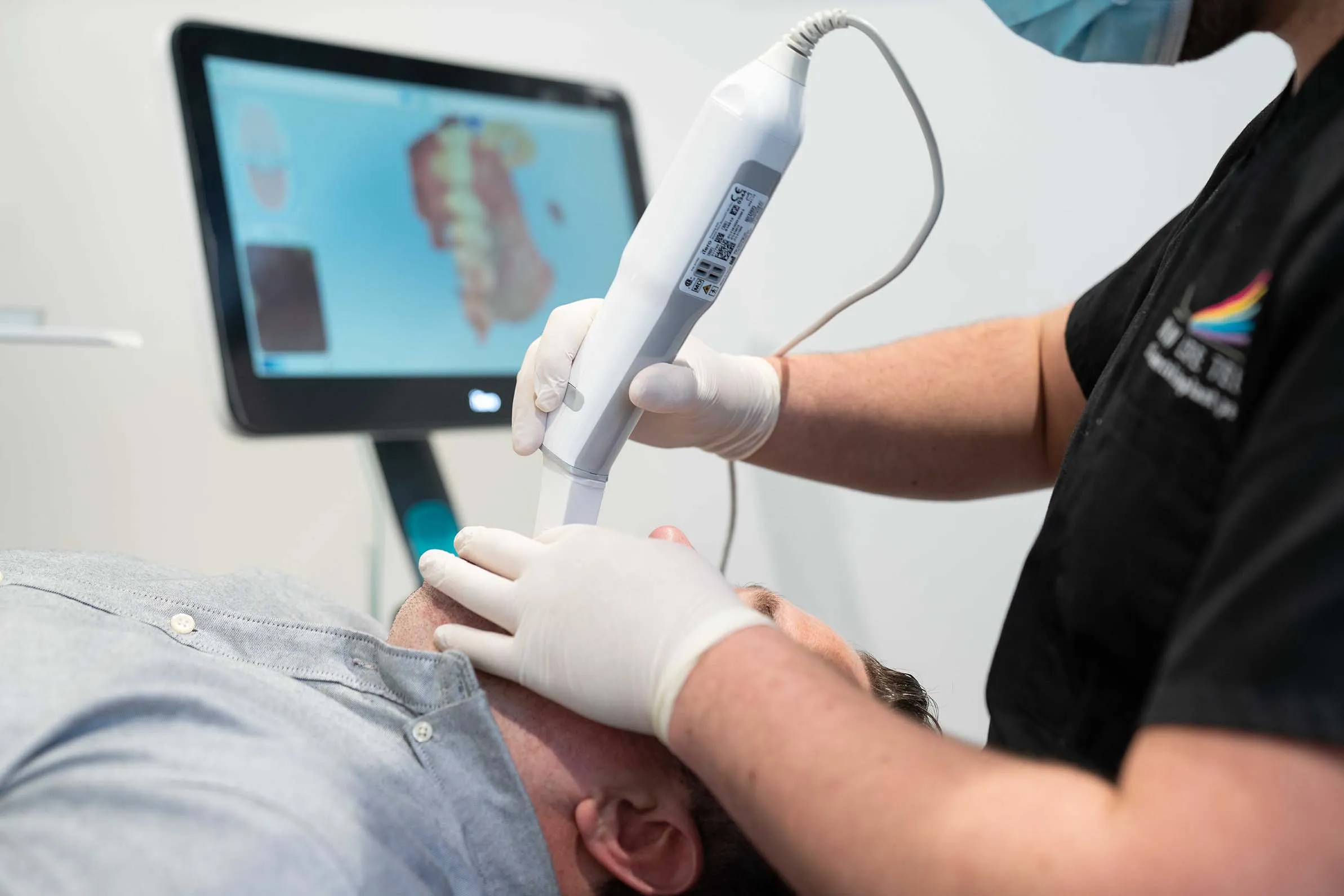
3D CBCT & Intraoral imaging
Bone and anatomical analysis
Bite and functional assessment
Individualised risk evaluation
Only then can a responsible treatment recommendation be made.
Book Your Free Clinical Assessment
A consultation focused on clarity, safety, and long-term outcomes.
Frequently Asked Questions
Does having low bone mean I’m not suitable for full arch implants?
Not necessarily. Low bone increases complexity but does not automatically rule out treatment. The key factor is whether implants can be placed safely and predictably with appropriate planning.
I’ve been told I’m “too complex” elsewhere, should I trust that?
It depends on the assessment process used. Some clinics are not equipped to treat higher-risk anatomy. A second opinion with advanced diagnostics is often appropriate.
Do complex cases have lower success rates?
When managed incorrectly, risk increases. When managed properly, success rates can remain high. Complexity increases the need for expertise, not failure.
I’ve had implants fail before. Can they be redone?
In many cases, yes. The cause of the original failure must be identified and addressed before further treatment is considered.
Is complex treatment more painful or risky?
Complexity relates to planning and execution, not pain. Properly planned treatment is designed to reduce risk and improve predictability.
Contact Us
Book Your Free Assessment With One Of Our Dental Surgeons
Fill out this form to get in touch with our patient coordinators. They will answer any questions you have either over text or phone call and help you to book your free, no obligation assessment!
Thank you! Your submission has been received!
Oops! Something went wrong while submitting the form.